Introduction
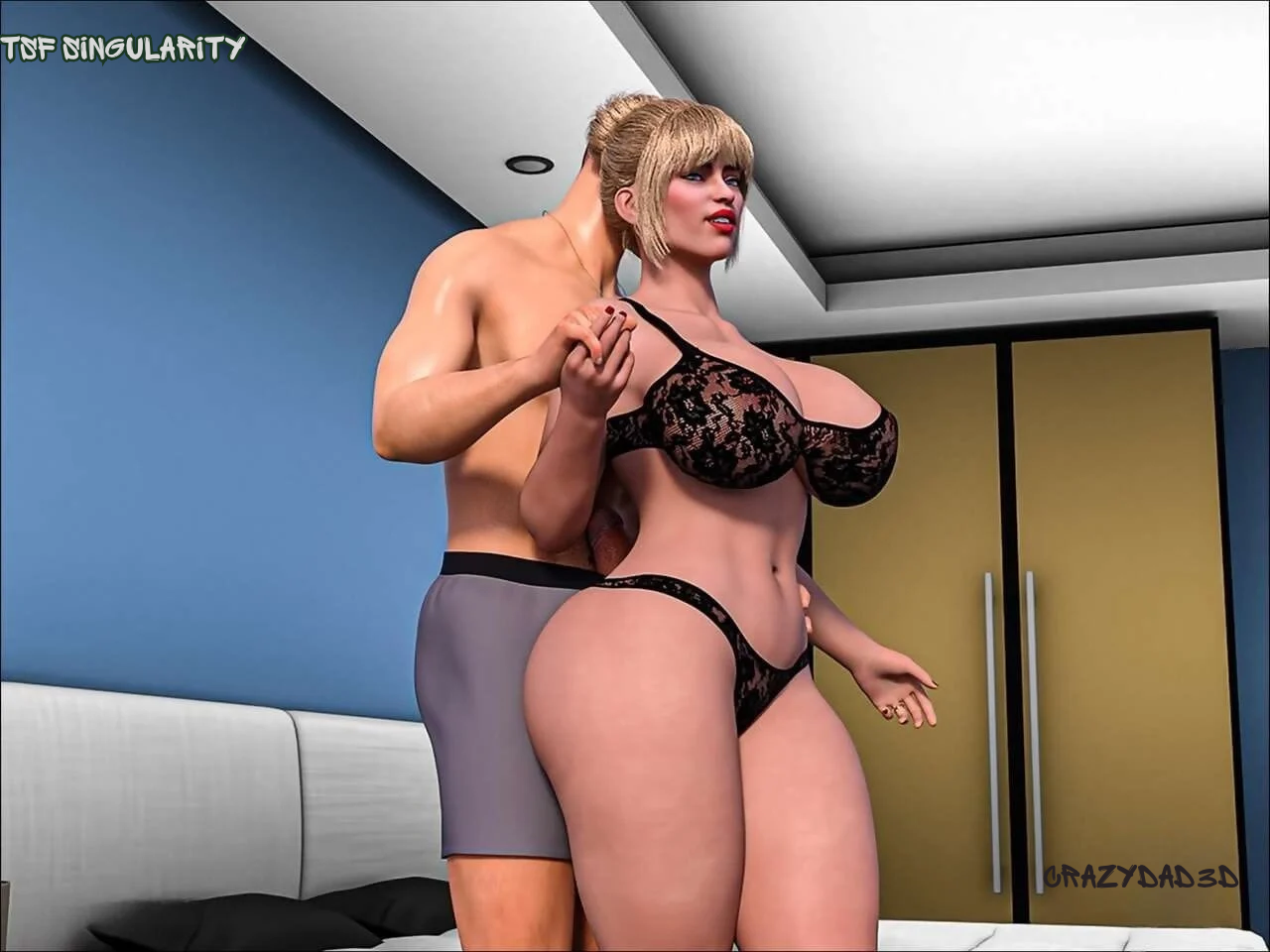
CrazyDad3D is a name associated with digital comics and adult-oriented 3D storytelling. The creator’s Patreon page, listed as Crazydad3d Comics, provides a public starting point for readers who want to learn about the creator and explore available membership options.
Three-dimensional comics combine computer-generated characters, digital environments, lighting, textures, and visual storytelling. Unlike traditional hand-drawn comics, this format uses rendered scenes to create depth and a more cinematic presentation.
This article explores CrazyDad3D’s publicly available creator profile, the creative techniques behind 3D comics, differences between 3D and traditional illustration, and important considerations when accessing digital content online.
What Is CrazyDad3D?
CrazyDad3D is the name used by an online creator whose public Patreon page is titled Crazydad3d Comics. The creator is associated with adult-oriented digital comic content, although detailed biographical information should be confirmed through official sources rather than assumed from third-party descriptions.
Understanding the CrazyDad3D Creator Name
Online creators often use a brand name or pseudonym instead of publishing personal information. These names help artists build recognizable identities, organize their work, and connect with audiences across digital platforms.
For readers researching CrazyDad3D, the official creator page is the most useful starting point for checking available publications, membership details, and creator-provided updates.
It is important to distinguish verified information from speculation. Unless the creator publicly confirms personal details, claims about their real identity, location, professional background, or private life should not be presented as established facts.
The Connection Between 3D Art, Comics, and Animation
Three-dimensional digital art uses computer-generated models to create characters, objects, and environments. Artists can position virtual cameras, adjust lighting, apply textures, and render scenes into images.
A 3D comic typically presents a story through a sequence of rendered images and dialogue. Animation adds movement over time, while an interactive visual novel may let readers navigate scenes or make choices.
These formats can overlap, but they are not identical. A collection of rendered comic panels does not necessarily include animation or interactive features.
What Is Publicly Known About the Creator?
The public Patreon listing confirms the Crazydad3d Comics creator name and provides membership options. Beyond these visible details, readers should rely on official creator statements for information about new releases, project changes, and the creator’s current activities.
Third-party websites may discuss the brand, but their descriptions, statistics, and historical claims can be incomplete or outdated. Checking publication dates and comparing claims with primary sources helps maintain accuracy.
What Type of Content Does CrazyDad3D Create?
CrazyDad3D is associated with 3D comic content intended for an adult audience. The specific themes, formats, and availability of individual works may differ, so readers should consult the creator’s official descriptions for details about particular publications.
3D-Rendered Illustrations and Comic Stories
Rendered illustrations are created by building or arranging digital scenes and producing finished images from them. When multiple images are organized into a sequence, they can communicate a story through character expressions, changes in setting, and dialogue.
This approach allows creators to maintain recognizable character designs across different scenes. It also makes it possible to reuse digital assets while changing camera angles, lighting, clothing, backgrounds, and character poses.
Visual Storytelling and Character Design
Character design plays an important role in illustrated storytelling. Appearance, posture, facial expressions, clothing, and visual consistency help readers distinguish characters and understand their roles.
Digital artists may develop reusable character models and customize them for different situations. Careful composition helps ensure that characters remain recognizable and that each image contributes to the story.
A well-designed comic also uses readable layouts, clear dialogue, and a consistent visual style. These elements help readers follow the narrative without becoming distracted by confusing panel arrangements.
Story-Based Digital Content and Recurring Themes
Some digital comics are organized into connected chapters, allowing characters and storylines to develop over time. Others consist of standalone episodes or individual illustrated scenes.
When exploring any creator’s catalogue, readers should check official descriptions to understand whether a publication is a complete story, part of a continuing series, or a preview of a larger project.
Content descriptions and age labels are especially important when a creator publishes material intended only for adults.
How Does 3D Comic Creation Work?
Creating a 3D comic involves several stages, from developing an idea to producing finished images. The exact workflow depends on the artist’s software, technical skills, and preferred visual style.
Character Modeling and Scene Design
The process may begin with digital character models and virtual environments. A model defines a character’s shape and structure, while a scene contains the objects, background elements, and spatial arrangement needed for a particular panel.
Artists can create original models or use properly licensed assets. They then position characters, arrange objects, and choose camera angles to communicate the intended action or emotion.
Scene planning is important because even detailed models can produce confusing images if the composition is poorly organized.
Lighting, Textures, Posing, and Rendering
Lighting determines how a scene appears, including its shadows, contrast, atmosphere, and sense of depth. Textures add surface details such as fabric patterns, skin appearance, metal, wood, and other materials.
Posing establishes character body language and helps communicate emotion. Artists may also adjust facial expressions and camera positioning to direct attention toward important parts of a scene.
Rendering converts the prepared digital scene into a finished image. Depending on the software and settings, rendering may prioritize speed, realism, stylization, or a balance between visual quality and processing time.
Combining Images and Dialogue Into a Story
After rendering, artists can arrange images into panels, add dialogue, and establish a reading sequence. Editing software may be used to improve contrast, correct visual inconsistencies, and refine the overall presentation.
A successful comic requires more than attractive images. Dialogue, pacing, continuity, and character motivations all contribute to a readable and coherent story.
Where Can Readers Find CrazyDad3D?
The official Patreon creator page is a useful place to begin researching CrazyDad3D. It provides publicly displayed membership information and may contain additional details about access to the creator’s work.
The Official Patreon Creator Page
Readers can visit the creator’s public page at: https://www.patreon.com/crazydad3d/join
The page identifies the creator as Crazydad3d Comics. Its displayed membership options may change, so readers should check the current page for the latest prices, benefits, and access conditions.
Patreon is a platform where creators can offer memberships and distribute material to supporters. The available features depend on each creator’s settings and the platform’s policies.
Membership Options and Website Access
Before purchasing a membership, review the benefits associated with the selected tier. These may describe the type of access provided, the billing frequency, and any conditions that apply.
Do not assume that every membership includes the same material or that a particular feature will remain available indefinitely. Read the current description carefully and check cancellation and renewal terms before paying.
Prices and membership benefits can change over time, so information copied from an older article may no longer be accurate.
Identifying Legitimate Pages and Avoiding Unauthorized Downloads
Search results may include unofficial mirrors, reposting websites, and pages that use similar names. These pages should not automatically be treated as affiliated with the creator.
Whenever possible, follow links from a verified creator profile and check the website address before entering account or payment information.
Avoid suspicious downloads, unexpected executable files, and websites that request unnecessary personal details. Using legitimate sources also helps respect the creator’s ownership of their work.
What Makes 3D Comics Different From Traditional Comics?
Both 3D and traditional comics use images and narrative sequencing, but their production methods differ. Understanding these differences helps readers appreciate the artistic choices involved in each format.
Three-Dimensional Models Versus Hand-Drawn Artwork
Traditional comics often rely on hand-drawn illustrations, digital painting, or a combination of both. The artist may draw every panel individually, giving the work a distinctive line style and expressive visual character.
3D comics use digital models and rendered environments. Artists can reuse a character model across multiple scenes, making certain forms of visual consistency easier to maintain.
Neither approach is automatically superior. The quality of a comic depends on artistic decisions, technical execution, storytelling, and how effectively the images communicate the narrative.
Visual Consistency and Scene Composition
Reusable 3D assets can help maintain consistency between panels. The same character model, environment, or lighting setup can be adjusted to create different scenes without rebuilding everything from scratch.
However, consistent models do not guarantee effective storytelling. Camera angles, expressions, composition, and the sequence of events still require careful planning.
Traditional illustration offers different advantages, including flexible line work, exaggerated expressions, and a highly individual drawing style. Both formats can produce compelling visual narratives.
Strengths and Limitations of 3D-Rendered Storytelling
A major advantage of 3D rendering is the ability to adjust camera positions, lighting, and character poses within an existing scene. This can make it easier to revise images or create variations.
Potential limitations include long rendering times, the cost of software or assets, and the technical effort required to achieve a consistent visual style. Poor posing or unnatural lighting can also make a scene feel artificial.
Ultimately, the best results come from combining technical skill with clear storytelling and thoughtful visual design.
Content Access, Privacy, and Responsible Viewing
When exploring adult-oriented digital comics, readers should understand platform rules, privacy considerations, payment conditions, and copyright restrictions.
Checking Age Restrictions and Platform Policies
Always review the platform’s age requirements and content rules before accessing a publication. Adult-oriented material should only be accessed by adults who are legally permitted to view it in their jurisdiction.
Content labels and descriptions can help readers determine whether a publication is suitable for them. If the material’s classification is unclear, consult the platform’s official guidance.
Understanding Membership Terms Before Paying
Read the current membership description before subscribing. Confirm the price, billing period, included benefits, renewal arrangements, and cancellation process.
Keep a record of payment confirmations and review your account periodically for recurring charges. If a creator changes a membership tier, check the updated terms rather than relying on an old promotional description.
Protecting Personal and Payment Information
Use strong, unique passwords and enable additional account security features when available. Only enter payment information on legitimate websites with appropriate security protections.
Be cautious of unsolicited messages offering special access in exchange for passwords, verification codes, or direct payments. A creator’s name or logo can be copied, so verify unusual requests through official channels.
Frequently Asked Questions About CrazyDad3D
What Is CrazyDad3D Known For?
CrazyDad3D is associated with adult-oriented 3D comics under the creator name Crazydad3d Comics. Its public Patreon page is a starting point for checking the creator’s available membership options and official information.
Does CrazyDad3D Have an Official Patreon Page?
A public Patreon page titled Crazydad3d Comics is available at https://www.patreon.com/crazydad3d/join. Readers should use the page’s current information to check membership details and access options.
How Can Readers Check Available Membership Options?
Visit the creator’s Patreon page and review the displayed tiers, prices, benefits, and billing conditions. Because these details may change, rely on the current listing instead of older third-party summaries.
What Is the Difference Between 3D Comics and 3D Animation?
A 3D comic generally uses rendered images arranged into panels or pages to tell a story. 3D animation presents movement over time by showing a sequence of frames. Some digital projects combine comic-style presentation with animation or interactive features.
Is All CrazyDad3D Content Free?
Not necessarily. The creator’s public Patreon page displays membership options, and access may depend on the selected tier or the terms of a particular publication. Check the official page for current information about free previews and paid access.
How Can Readers Avoid Fake Websites and Unauthorized Copies?
Start with the creator’s public profile, verify website addresses, and avoid suspicious download links or requests for sensitive information. Use legitimate access options and respect copyright restrictions when viewing or sharing digital artwork.
Conclusion
CrazyDad3D is an online creator name associated with 3D comics and adult-oriented digital storytelling. Its public Patreon page provides a useful starting point for learning about the creator’s work and checking current membership options.
Understanding the creative process behind 3D comics also helps explain how character modeling, lighting, rendering, composition, and dialogue come together to produce a finished story. Although 3D rendering offers flexibility and visual consistency, effective storytelling still depends on artistic judgment and narrative structure.
Readers can make more informed decisions by checking official creator information, reviewing membership terms, protecting their personal data, and respecting copyright. For the most accurate information about CrazyDad3D, use the creator’s current public page rather than relying exclusively on third-party descriptions.
One thought on “CrazyDad3D: Creator Profile, 3D Comics, and Digital Art”